journal
Writing
Football, argued with numbers. Tactics, transfers and tournament post-mortems alongside the method behind the models, from where Spain grows its midfielders to what separates a real forecast from a hunch.

The two Euro 2028 hosts who cannot miss
All four host nations have to qualify for their own tournament, and only two places are held back to catch the ones who fail. Run it 100,000 times and the same thing happens every time: two of the four are already safe, and it is not the two you would guess.
 Method27 July 2026 · 7 min read
Why we will not call Euro 2028 yet
Every outlet will publish a Euro 2028 winner long before the draw. We are not going to, and the reason is not modesty. A forecast built on a field that does not exist is not a forecast, it is decoration.
 Analysis27 July 2026 · 7 min read
Casement Park and the stadium that was not built
Belfast was in the winning Euro 2028 bid. Then the money and the calendar stopped agreeing, and a whole nation came off the map. The story of the ground that took Northern Ireland out of its own home tournament.
 Method27 July 2026 · 8 min read
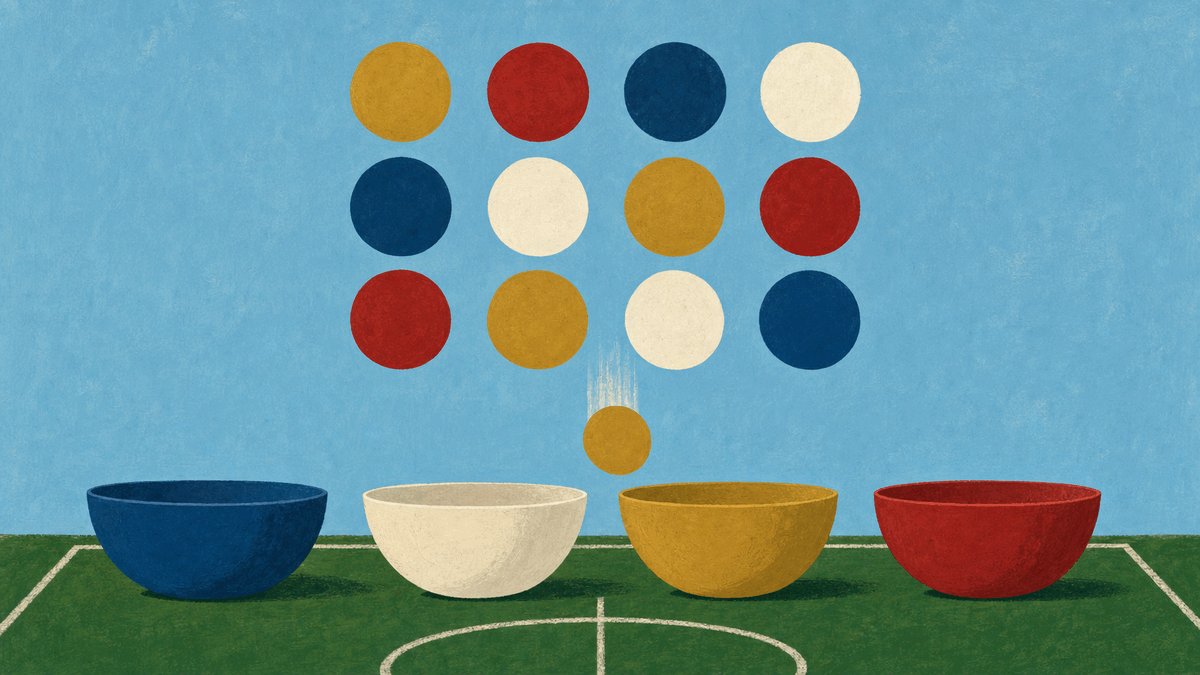
What a 12-group draw does to your nation's chances
Euro 2028 qualifying puts 54 nations into 12 groups and sends 20 of them straight through. That is a generous tournament, and it changes what a hard draw actually costs you. Here is the arithmetic, and where the pain really lands.
 Method23 July 2026 · 7 min read
Elo ratings, explained (and how Club Elo works)
One number, borrowed from chess, rates every football team on Earth. Here is how the gap between two ratings becomes a win probability, how a result moves them by its surprise, and what Club Elo adds to make it work for football.
 Analysis22 July 2026 · 11 min read
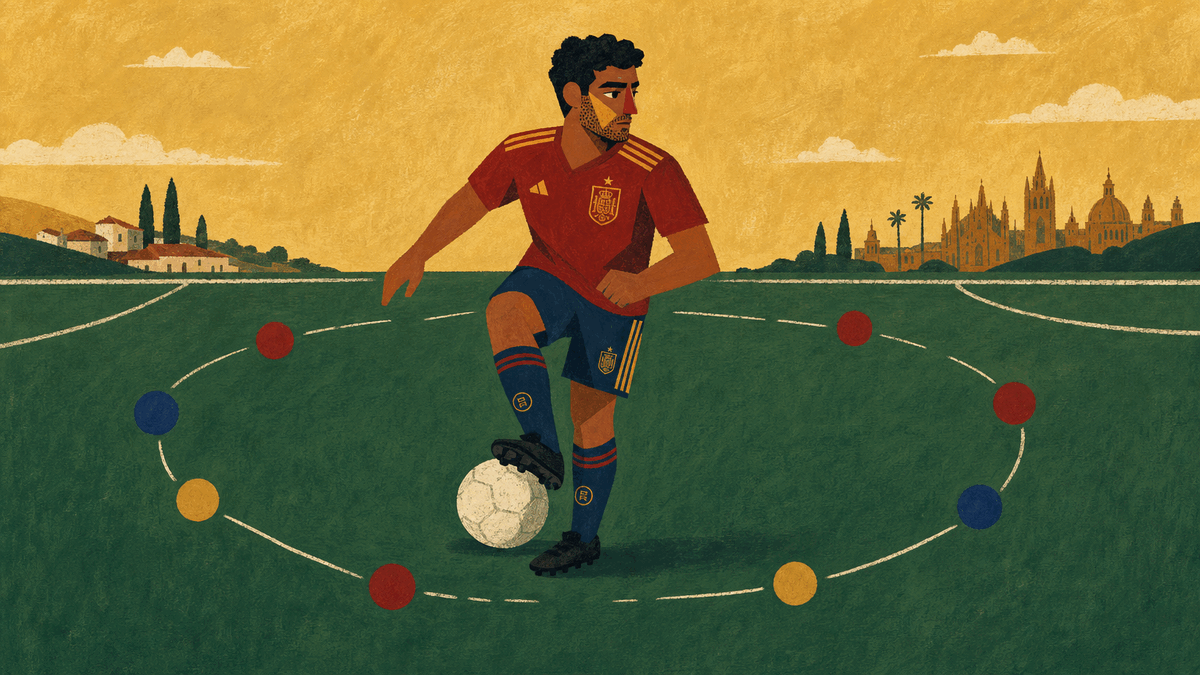
Where Spain's midfielders come from
“For decades, Spain produced midfielders unlike anyone else.” It is a good line, and mostly true. The reason is not mystique, it is a method: one coaching idea, a futsal childhood, and a pipeline that runs far wider than La Masia.
 Analysis22 July 2026 · 8 min read
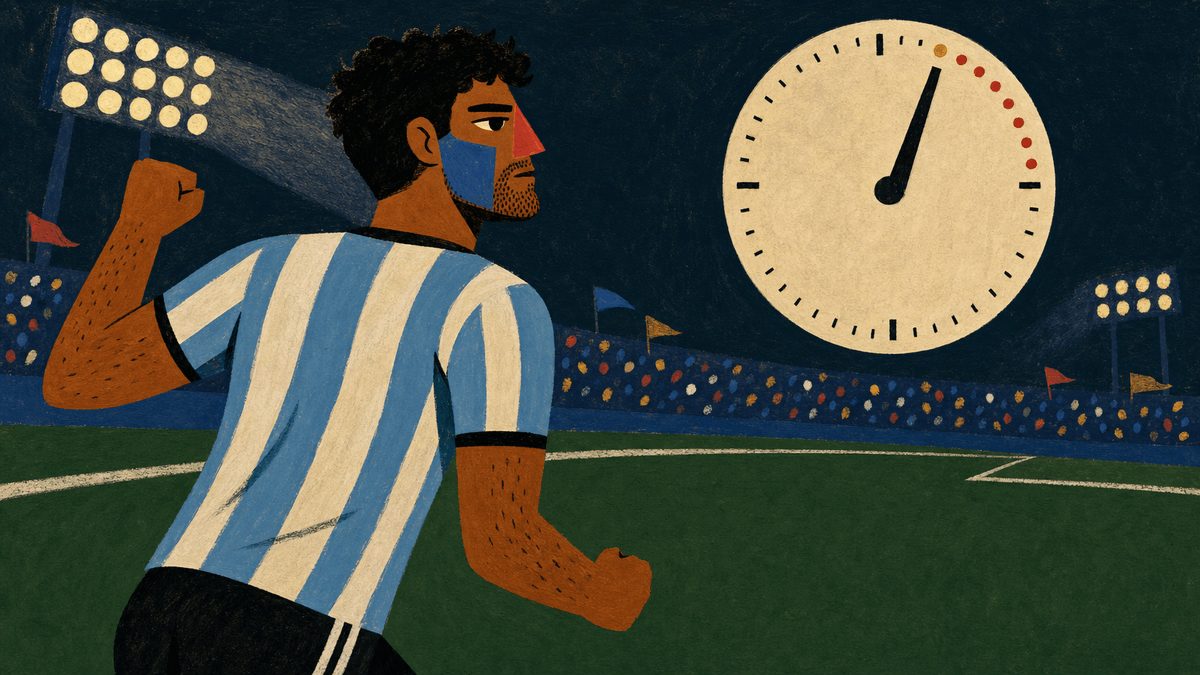
Argentina keep winning late. Is that a skill?
Argentina scored again and again after the 75th minute on the way to the 2026 final. Some of that is a real, repeatable edge. Some of it is what variance looks like from the inside. Here is how to tell them apart.
 Analysis22 July 2026 · 9 min read
How golden generations end
Win a World Cup and the next one tends to end early: four of the last five defending champions went out in the group stage. It is not a curse, it is a clock, and the two teams that beat it, France and Argentina, show exactly how it works.
 Analysis22 July 2026 · 8 min read
Did the 48-team World Cup actually work?
As an access project, the expansion was an emphatic success: four debutants, nine of ten African teams into the last 32. As a competition, the group stage looked more lopsided, and every team paid for it in air miles. Two answers to one question.
 Analysis22 July 2026 · 8 min read
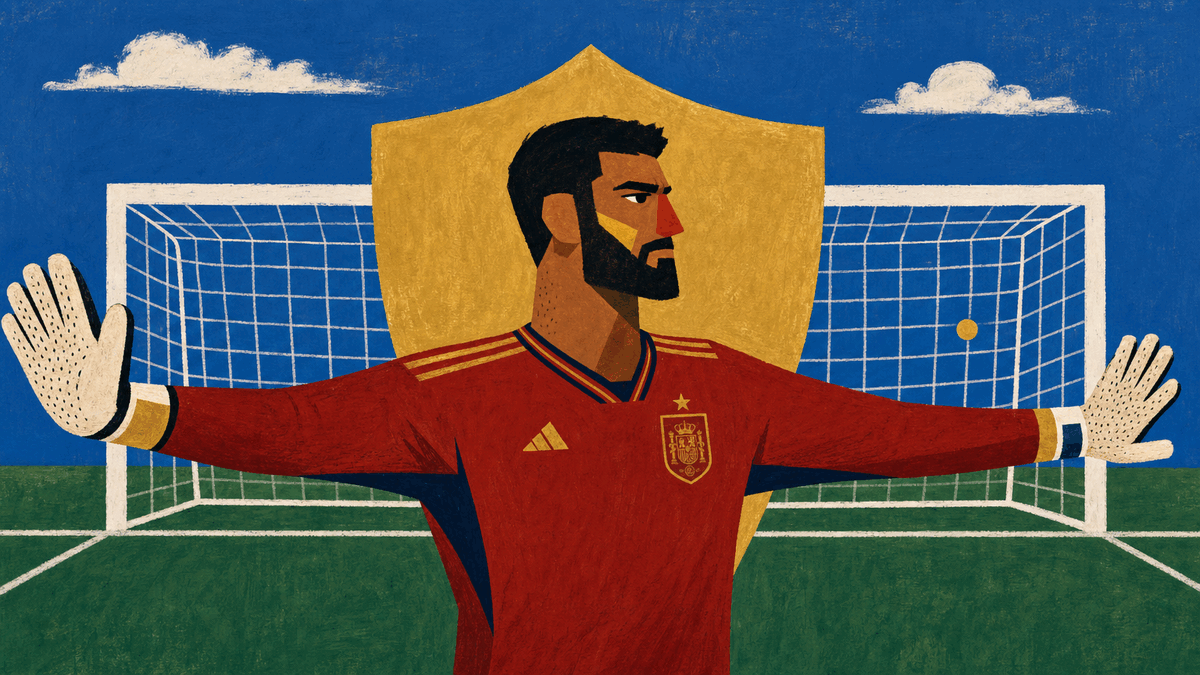
Spain won it with the best defence in World Cup history
The posters went to the midfield. The trophy was won at the other end: one goal conceded in eight games, the meanest run any World Cup champion has ever put together. The receipt for a truth knockout football keeps proving.
 Analysis22 July 2026 · 9 min read
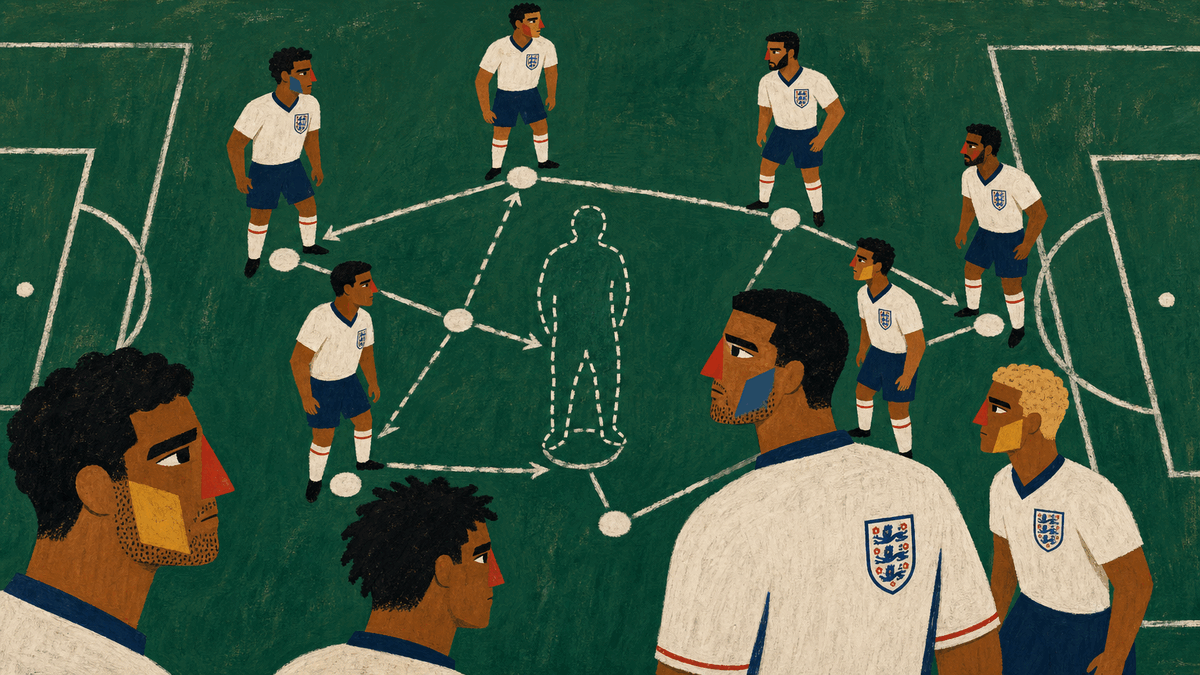
Why England still can't grow a Rodri
England went out of another World Cup to a side with a deep-lying playmaker they had no answer to and no equivalent of. The regista is the one midfield type England's game keeps failing to produce. Why the gap persists.
 Modelling21 July 2026 · 6 min read
How likely is a clean sheet, really?
Even the best defence in the league keeps a clean sheet less often than you think. One honest sum turns goals conceded into a percentage, and one more turns the percentage into points.
 Modelling21 July 2026 · 6 min read
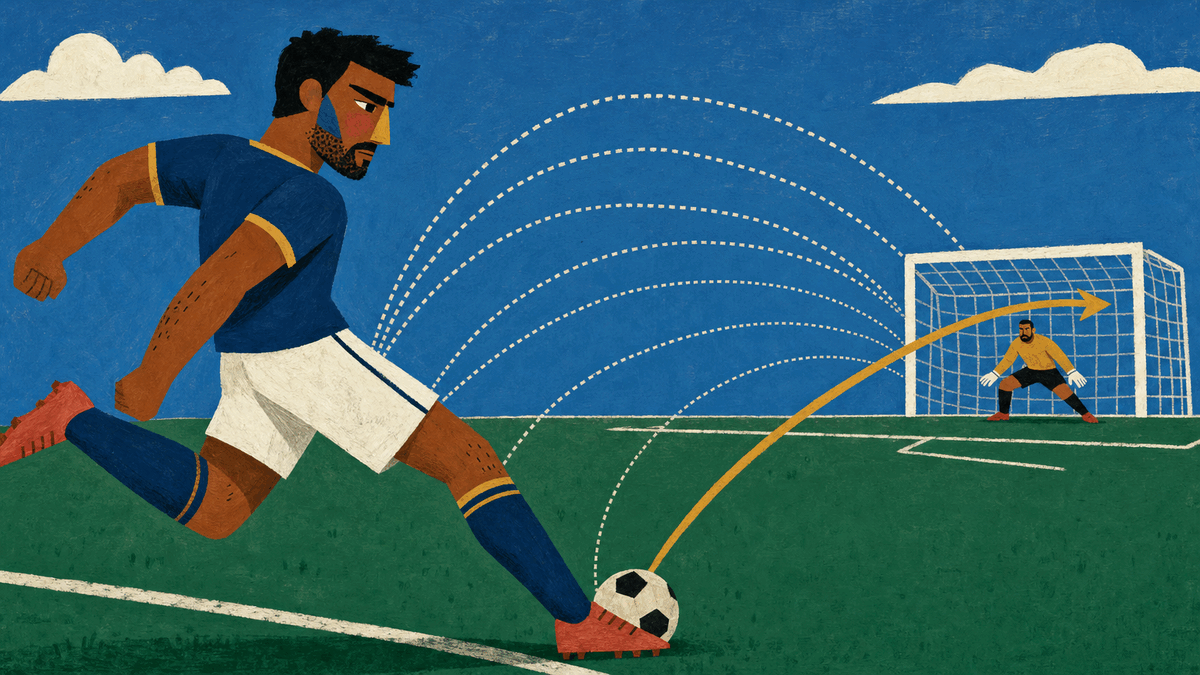
Who's most likely to score, and by how much
Turn a team's goals into one player's chance of scoring and the answer is humbler than the hype: the best striker in the world, in a good fixture, is still odds-against. The sum, and how to read it.
 Analysis21 July 2026 · 6 min read
Why the league table lies until October
Eight games in, the table is a rumour. The gap between where a team sits and how well it is playing is mostly noise, and the noise takes until autumn to burn off. Here is how much of it is luck.
 Method21 July 2026 · 6 min read
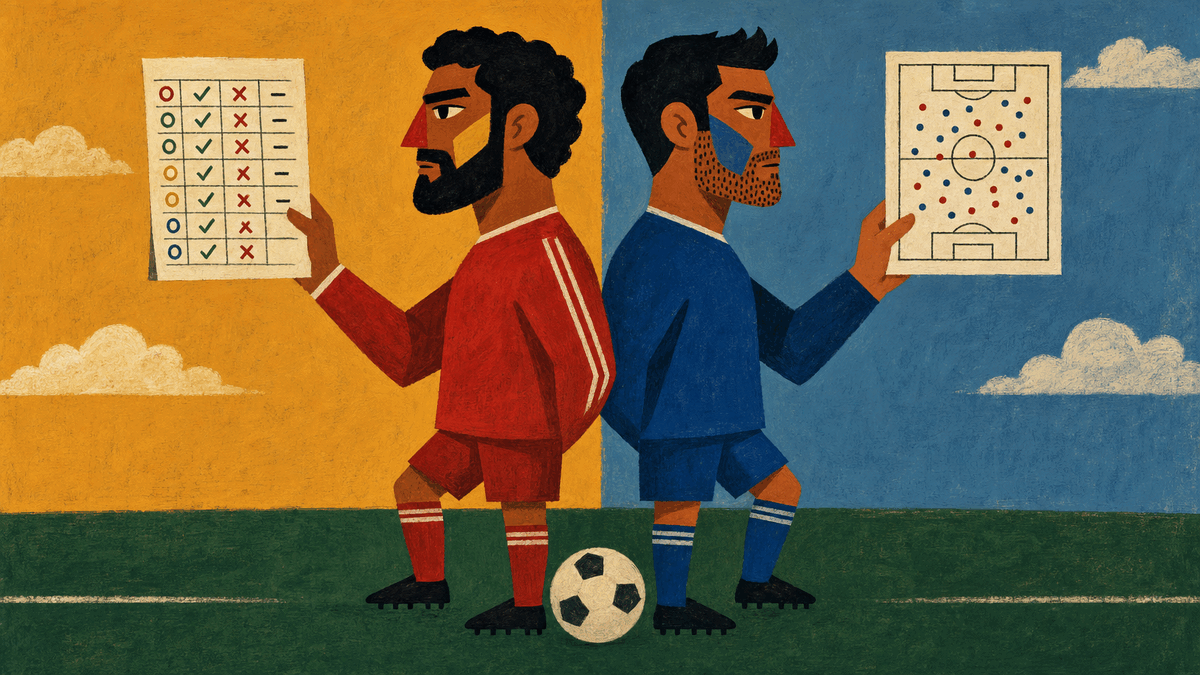
Elo vs xG: two ways to rate a football team
One rates you by who you beat, the other by the chances you create. They usually agree, and the teams they argue about are the most interesting in football. A plain guide to both, and to the gap.
 Analysis21 July 2026 · 6 min read
Why most promoted teams go straight back down
Every August three clubs come up believing. The gap is bigger than one division's width, the budgets compound it, and a 38-game season gives variance no room to rescue anyone. Why, in numbers.
 Modelling21 July 2026 · 6 min read
How much is a new signing worth to the model?
A £100m player does not buy £100m of goals. What a transfer honestly changes in a team's numbers: one rate, nudged a little, with a deliberate lag while the evidence arrives. Hype is not an input.
 Modelling21 July 2026 · 6 min read
Simulating your cup run: how hard is the draw?
Every cup draw starts the same argument: did we get lucky? Simulating the routes settles it. How a bracket becomes a probability, and why even the kindest draw is longer odds than it feels.
 Method21 July 2026 · 6 min read
What happens if you simulate the Premier League season 10,000 times
Run the whole season as a Monte Carlo, not a table, and the title race, the top four and the drop stop looking like certainties. What the spread of finishes actually shows.
 Method21 July 2026 · 6 min read
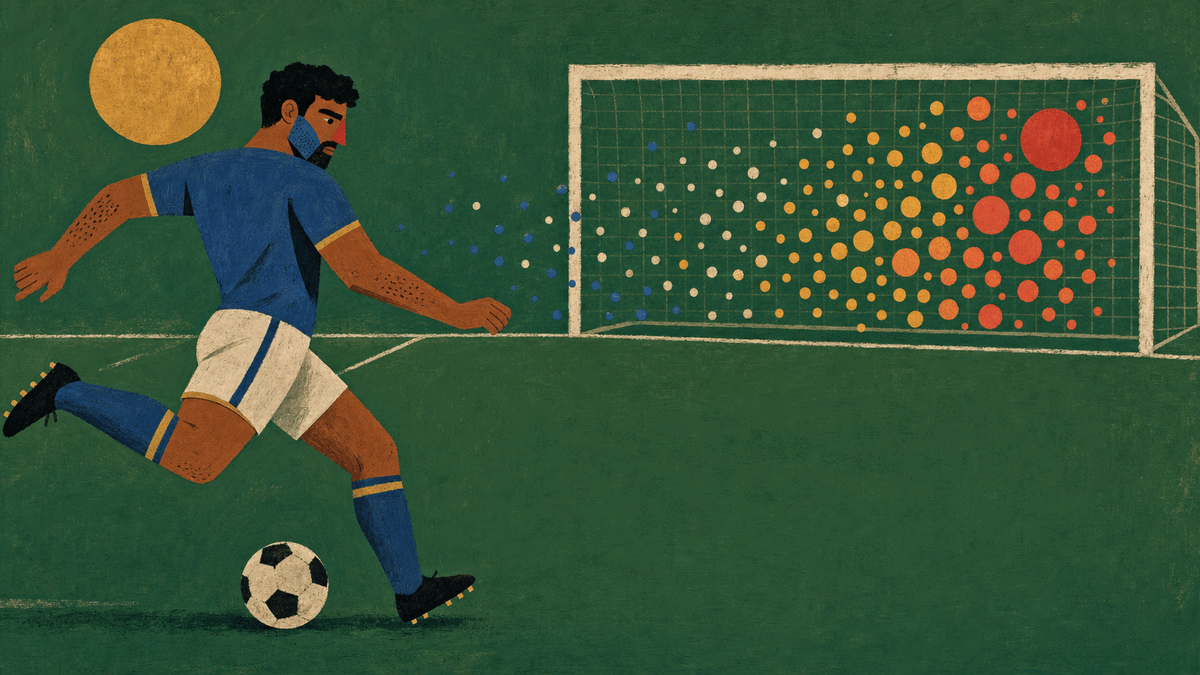
Expected goals (xG), explained without the hype
Every chance gets a number between zero and one: how likely a goal it was, given thousands of similar shots. What xG is, what it is good for, and the honest list of what it misses.
 Method21 July 2026 · 6 min read
Why two models disagree on the same match
Feed two honest models the same fixture and they hand back different numbers. The disagreement is not a bug, it is where the judgement lives. A tour of the choices that move the answer.
 Method21 July 2026 · 6 min read
Fantasy Premier League: what a model can tell you about captaincy
A model will not hand you a captain. It will hand you expected points and the spread around them, which is a better way to think about the armband than any tip. How to read it.
 Method21 July 2026 · 6 min read
Why simple football models miss the draw (and the fix)
A simple scoreline model gets the low scores wrong: too few 0-0s and 1-1s, too many 1-0s. The fix, a small 1997 correction called Dixon-Coles, puts the draws back. How it works, plainly.
 Method21 July 2026 · 6 min read
Does momentum exist in football? What the data says
Every commentator swears a team is on a roll. The data is more sceptical: most streaks are what randomness looks like. Where momentum is real, where it is a story we tell after the fact.
 Method21 July 2026 · 6 min read
How we set the numbers, and why we sit under the consensus
Where the model's rates come from, how it is anchored to what everyone else expects, and why our headline number usually sits a shade below the crowd. The method, with nothing hidden.
 Method21 July 2026 · 6 min read
Set pieces are the new moneyball: what a corner is worth
A corner is worth about three percent of a goal, which sounds like nothing until you count how many a season holds. Why the smart clubs hired set-piece coaches, in numbers.
 Method21 July 2026 · 7 min read
How accurate are football prediction models, really?
The honest answer is: a bit better than a coin, nowhere near a crystal ball. What accuracy means for a football model, where the ceiling is, and how to tell an honest one from a grift.
 Method21 July 2026 · 6 min read
What makes a forecast good? Brier scores and calibration
A forecast is not right or wrong, it is well or badly calibrated. The two numbers that actually grade a probability, explained without the jargon, and how Touchline grades itself with them.
 Method21 July 2026 · 6 min read
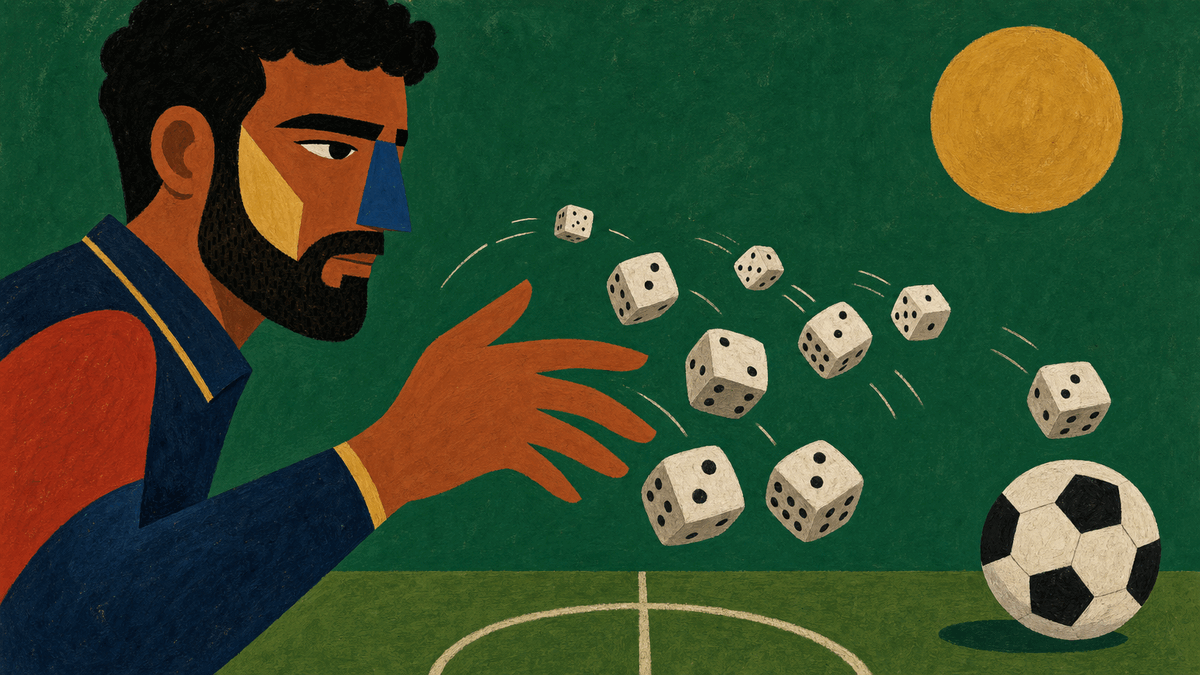
Monte Carlo simulation for sport, from scratch
The idea behind every number on this site: when you cannot solve a problem with a formula, play it out thousands of times and count. Dice to football, in plain language, with the code.
 Method20 July 2026 · 7 min read
The model is open source. The clever bits, and the rough edges.
The engine behind every Touchline number is on GitHub now, MIT-licensed, about 550 lines you can run in two commands. An honest tour: what a sharp reader will like about it, and what they will rightly push on.
 Analysis20 July 2026 · 6 min read
The 2026 World Cup scored 308 goals. Most of it is arithmetic.
A record by a distance, and mostly because the tournament grew to 48 teams and 104 matches. The smaller, more interesting number is 2.96 goals a game, the highest rate since 1970.
 Preview17 July 2026 · 6 min read
The final, read two ways: Spain's control, Argentina's late
Spain have the best defence of the tournament and the freshest legs. Argentina have sealed four straight knockout wins in stoppage time. The model, and the argument, sit right on that fault line.
 Comment17 July 2026 · 5 min read
The prediction scam, and the opposite of it
A viral post claims someone called the exact 2026 World Cup final years ago. It is a scam with a name. Here is how it works, and why Touchline is built to be its opposite.
 Receipts16 July 2026 · 5 min read
England led for half an hour. Then Argentina did their thing.
England v Argentina, broken down: the counter that put England ahead, the two goals after the 85th that ended it, and the model's verdict, which was the exact score.
 Modelling15 July 2026 · 5 min read
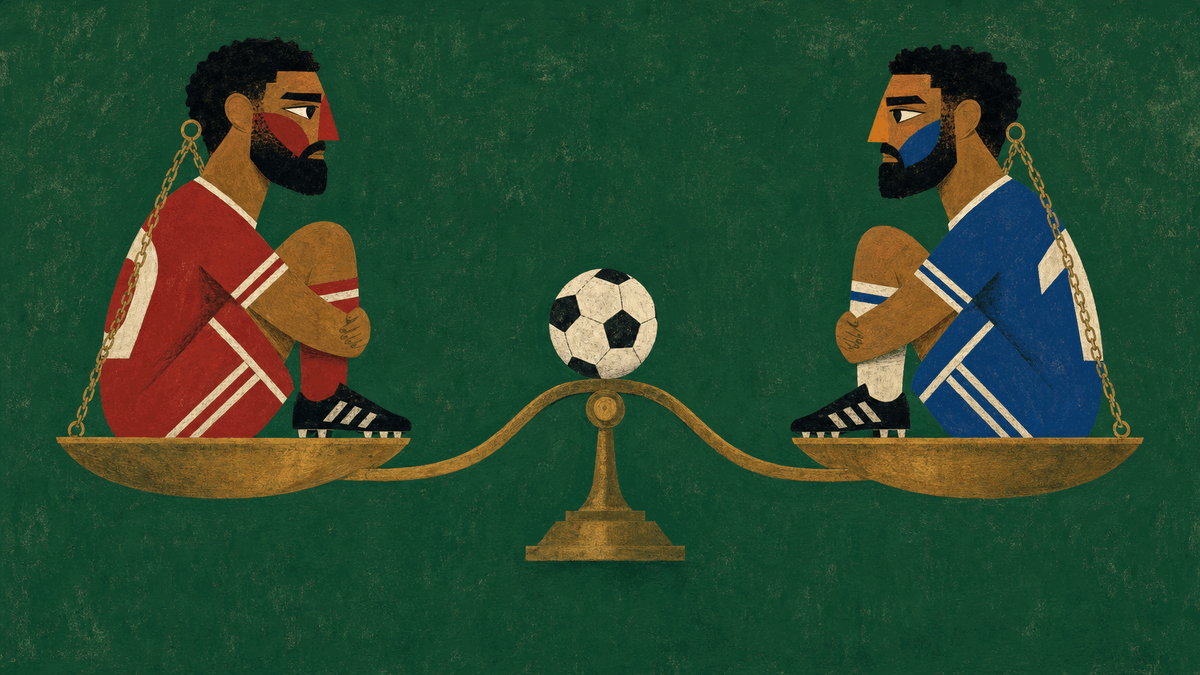
Why the draw is the hardest bet in football
A draw is the outcome fans forget and models keep landing on. Here is why an evenly matched game points at the draw more than either win, straight out of the Poisson maths.
 Analysis14 July 2026 · 5 min read
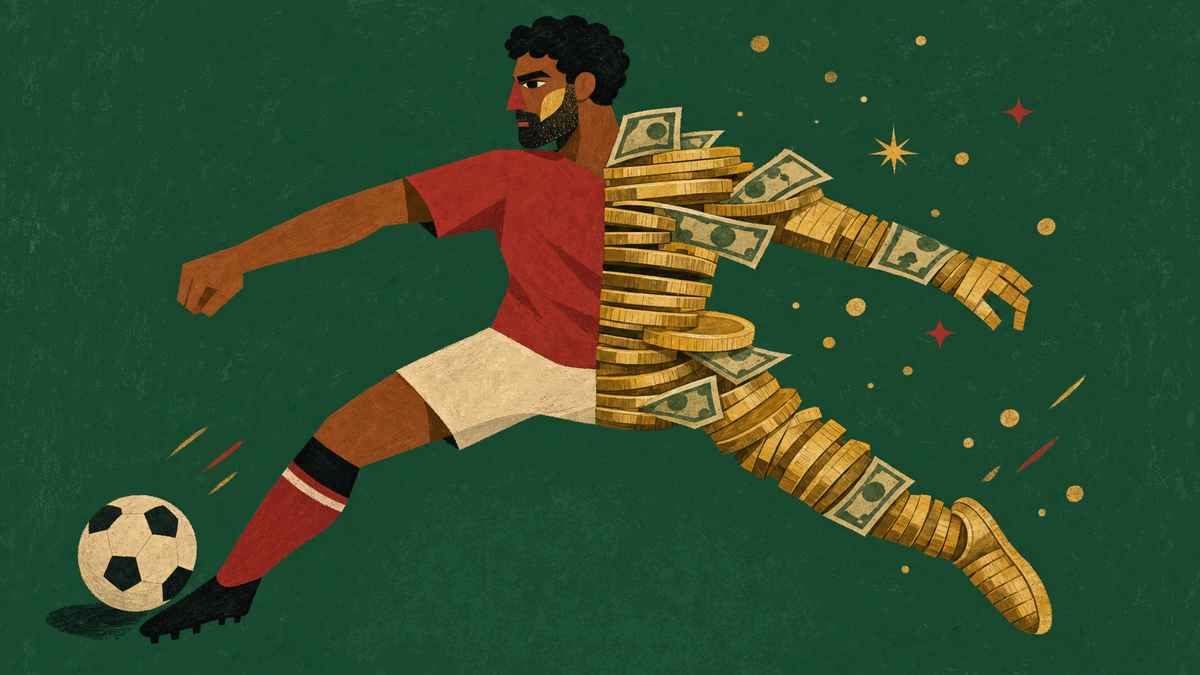
What a £125m striker is actually worth
Newcastle sold Alexander Isak for £125m, and he lines up against them in a Liverpool shirt. A model does not pay transfer fees. It pays for goals. Here is the difference.
 Modelling13 July 2026 · 5 min read
Extra time is a coin flip we pretend to understand
Thirty more minutes, then penalties. The further a knockout runs, the more it becomes noise. Here is what the model can and cannot tell you once it is level at 90.
 Modelling12 July 2026 · 5 min read
Home advantage, measured
A full house is worth something. This is roughly how much, in goals, and why the model nudges the home side before a ball is kicked.
 Modelling11 July 2026 · 5 min read
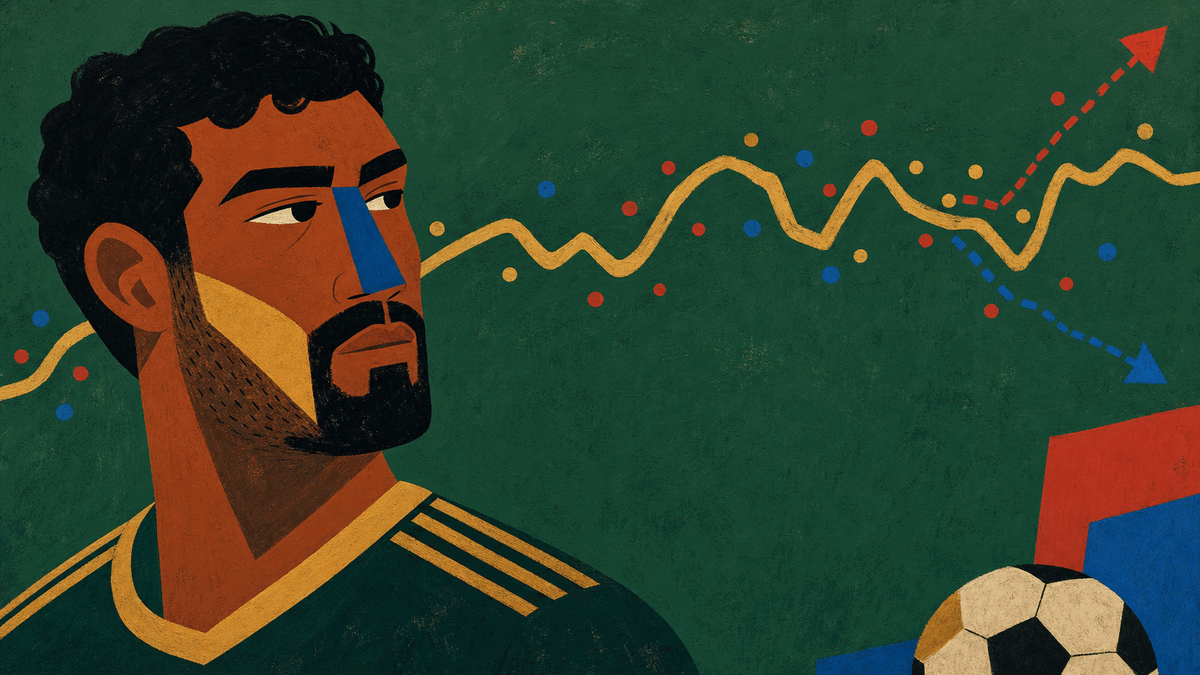
Why your team's supercomputer odds keep changing
The number you saw on Monday is not the number on Saturday. Team news, money, and time all move it. Here is what actually shifts a prediction before kick-off.
 Method10 July 2026 · 6 min read
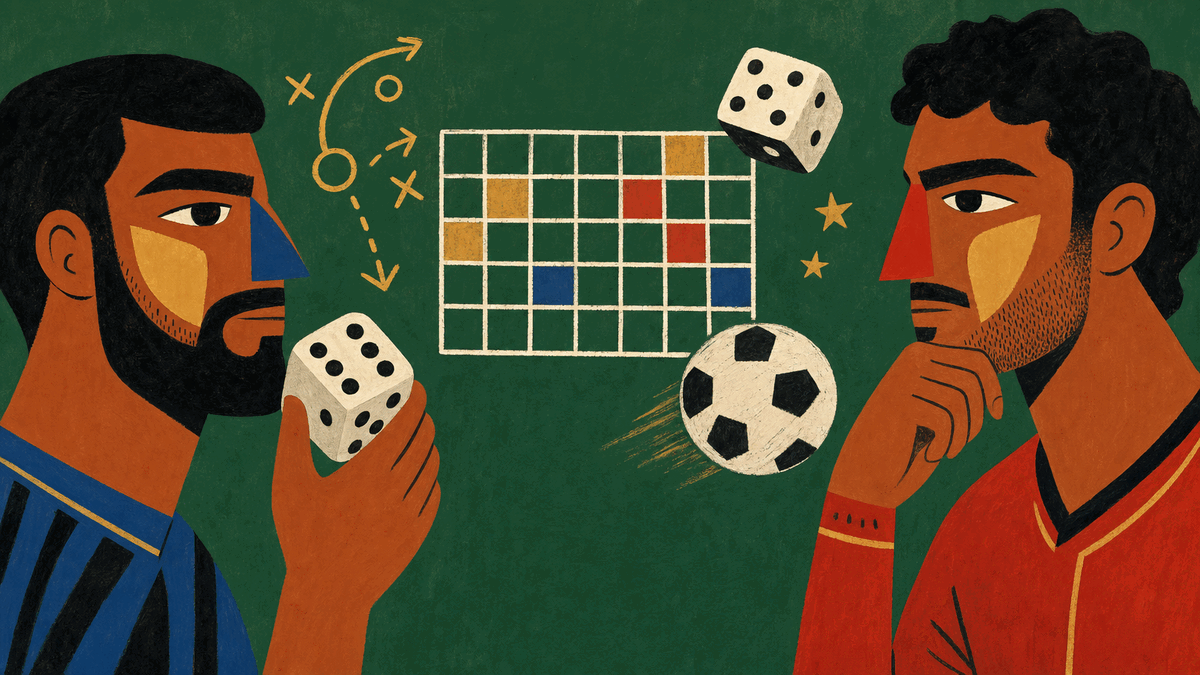
Bivariate Poisson, explained without the maths
Every Touchline scoreline comes out of one model. Here is how it works, in plain language: two rates, a shared bounce, and a hundred thousand imagined matches.
 Analysis9 July 2026 · 5 min read
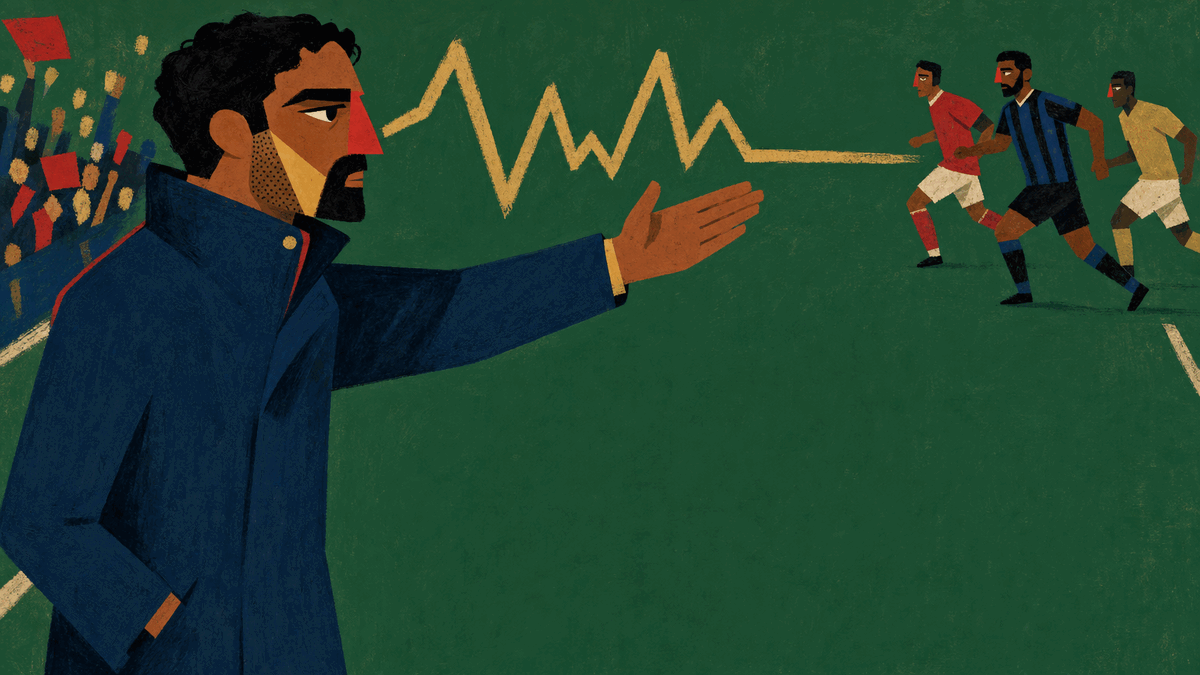
The manager bounce is mostly noise
A new manager, a fresh start, an early win. It feels like cause and effect. Most of the time it is a team that was better than its results reverting to the mean.