one goal
Spain won it with the best defence in World Cup history
The posters went to the midfield. The trophy was won at the other end: one goal conceded in eight games, the meanest run any World Cup champion has ever put together. The receipt for a truth knockout football keeps proving.
22 July 2026 · 8 min read · James Frewin
The posters after the final were all about the midfield, the passing, the lineage, the “maestros.” Fair enough. But if you want to know how Spain actually won the 2026 World Cup, look at the other end of the pitch. They conceded one goal in eight games. One. That is the meanest run any World Cup winner has ever put together, and it is the real story of the tournament.
A record that had stood for decades
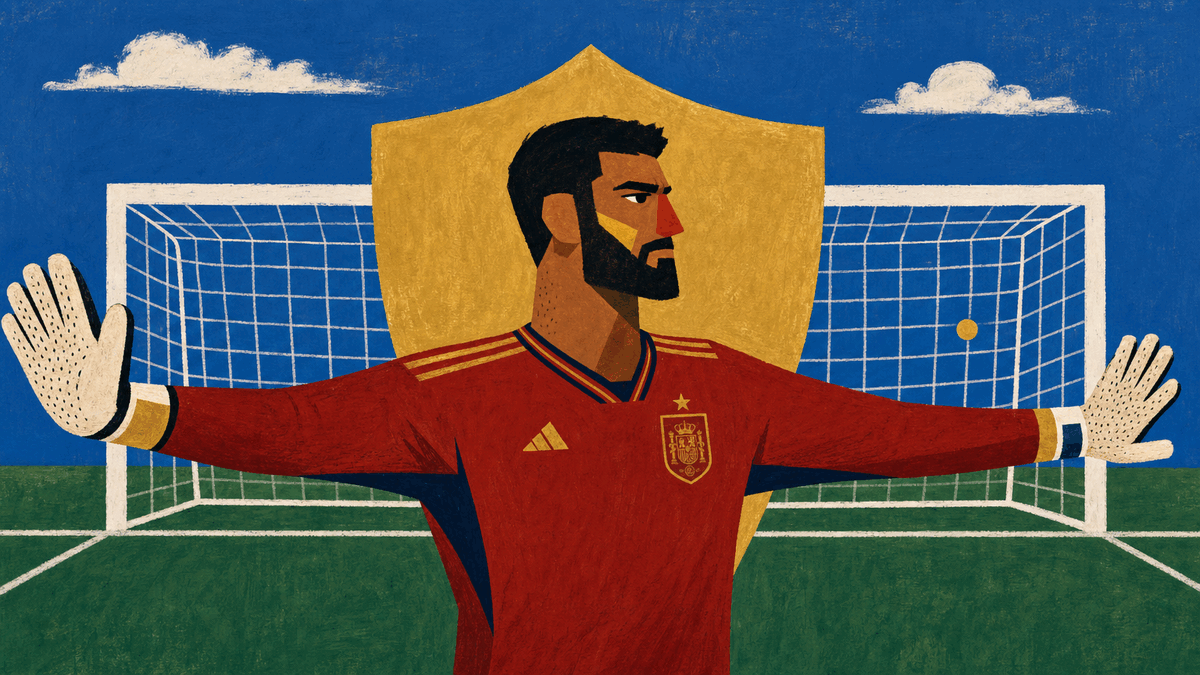
Before 2026, the fewest goals conceded by a World Cup-winning team was two, a mark shared by Spain in 2010, Italy in 2006 and France in 1998. Spain have now gone one better, literally: seven clean sheets in eight matches, the only goal against them a Charles De Ketelaere strike for Belgium in the quarter-final, a game Spain still won 2–1. Unai Simón took the Golden Glove and, along the way, set a World Cup record of 650 consecutive minutes without conceding. The tournament ran eight games deep for a finalist under the expanded format, more chances than ever to leak a goal, and Spain leaked one.
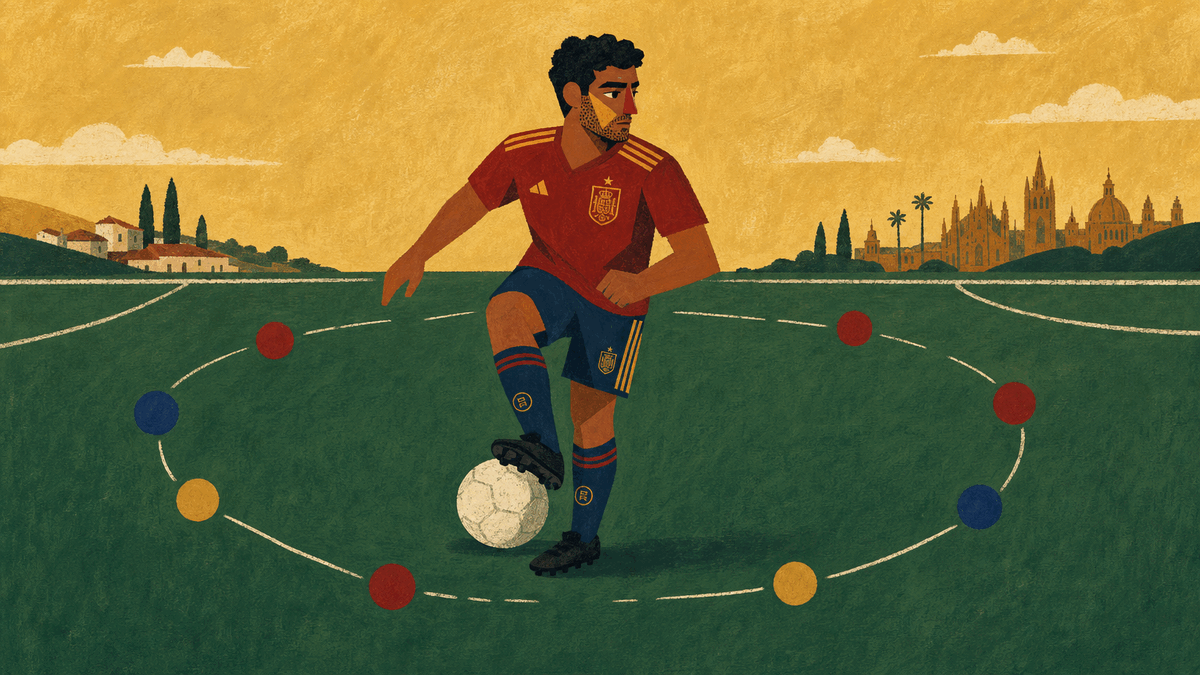
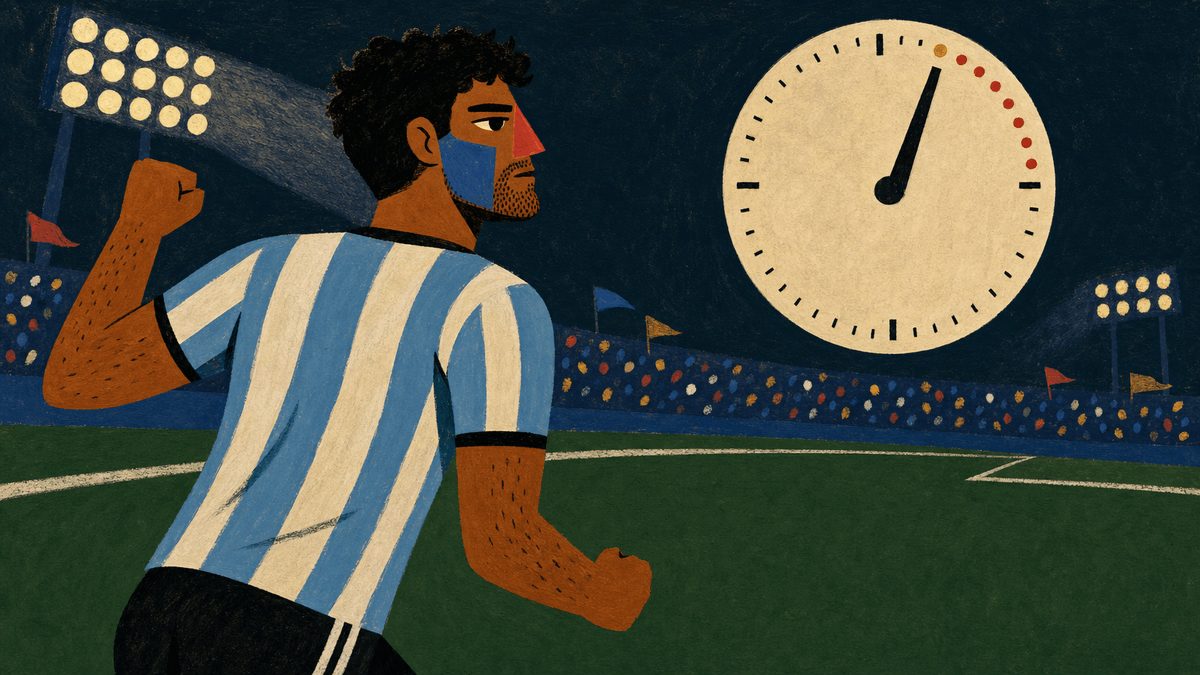
Spain 2026 conceded one goal in eight games, a record low for a champion. Argentina 2022 (blue), the side Spain beat in the final, conceded eight on its own way to the title: proof a leaky defence can still win a World Cup, and that this one did the opposite.
The contrast is right there in the final
The team Spain beat makes the point for you. Argentina won the 2022 World Cup conceding eight goalsacross the tournament, one of the leakier winning defences of the modern era, and they were magnificent doing it. So a porous defence can win a World Cup. Spain in 2026 simply proved the opposite route exists and is even more reliable: win the tight ones, concede nothing, and let a single goal decide games in your favour. The final was the template. Spain won it 1–0 in extra time, against ten men after Enzo Fernández’s late red card, with the same 1–0 scoreline they had already used to beat Uruguay and Portugal.
This is not new for Spain
The tiki-taka era is remembered for the ball, but it won on the same principle. Spain’s 2010 World Cup is the clearest case: they scored just eight goals in the whole tournament, the fewest ever by a champion, and completed the entire knockout phase, Portugal, Paraguay, Germany and the Netherlands, without conceding a single goal, four 1–0 wins in a row. The possession was the method. The clean sheet was the result that actually lifted the trophy. Keeping the ball is, after all, the most effective defending there is: the opponent cannot score while you have it.
Tournaments are not won by the best attack. They are won by the team that makes the fewest mistakes in seven or eight one-off games, and a mistake usually shows up as a goal conceded.
So credit the right thing
None of this diminishes the midfield. Control is a defensive act as much as a creative one, and the players who keep the ball are the first line of a back four’s protection. But when the history of this Spain side gets written, the number that should lead it is not a possession share or a pass count. It is one, the goals they let in while winning the whole thing. The maestros got the posters. The defence got the medal.
In this piece